
Rood Screens - The Lower Screen

In my previous posts, I mentioned how, after the English Reformation, the upper parts of rood screens were mostly removed and what we were left with was the lower screen and, occasionally a few remnants of the upper decoration.
This week we will look at some lower rood screens - many of these survive and more were made new in the 19th/early 20th centuries, as the Anglican church revived many Catholic elements of worship and building.
First, let’s pick up one I mentioned briefly last time - Skipton.
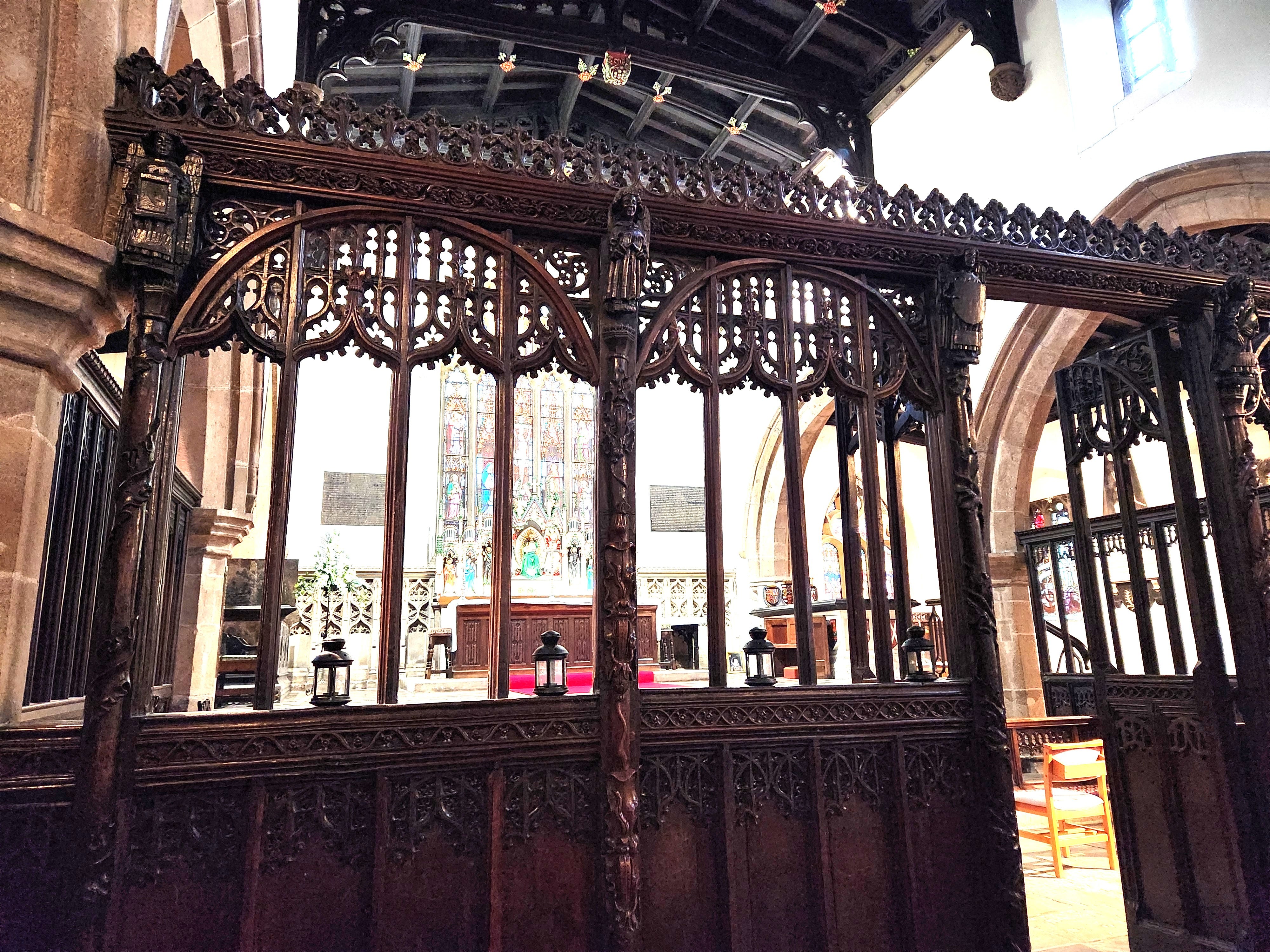
This is a great example of the late 15th/early 16th century rood screen - clearly inspired by the Perpendicular style, it was completed in 1533, only a few years before the cataclysms of the Reformation were unleashed. You will notice angels along the top, and decorative woodcarving everywhere. It even still has its original doors, which were removed in many places. However, it is not in its original position but one bay back; you can still see the original fixings in the pillars it had been attached to. This means the chancel area here was huge, which also indicates a large number of clerics and a very rich church, hence the top class screen.
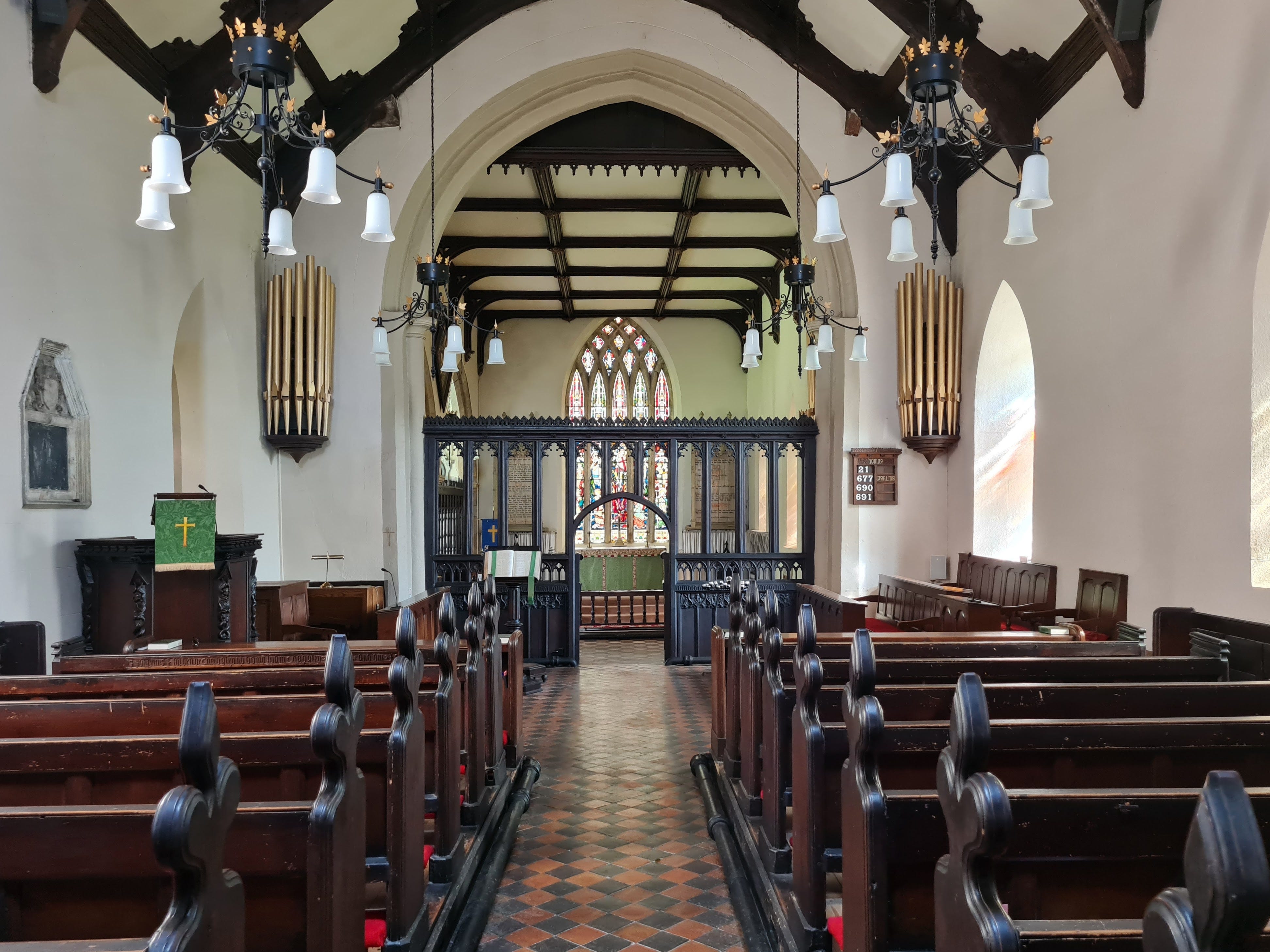
Many old rood screens in Anglican churches today look like this - a relatively simple screen across the chancel arch. This one at Great Mitton is thought to have come from Sawley Abbey after the monastery was dissolved.
