
Richards Castle
The Templars, a freestanding bell turret, medieval stained glass and decoration

In today’s post, we look at a Norman church which, rather unexpectedly, predates the Norman period in England, find clues as to its earlier appearance and try to reconstruct its decorative scheme, including this fabulous pillar design.
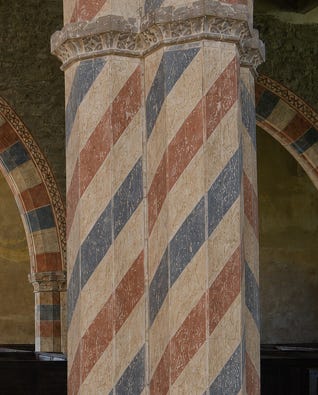
In my recent visit to Herefordshire, Richards Castle was the very first stop, though it did involve, as is customary in church crawling, coming to a screeching halt on a minor road as the signpost appeared without warning, followed by a crawl up an even smaller road to the rather beautiful location on top of a hill. It’s in a beautiful place, high above Herefordshire and with a steep ascent to the church itself.
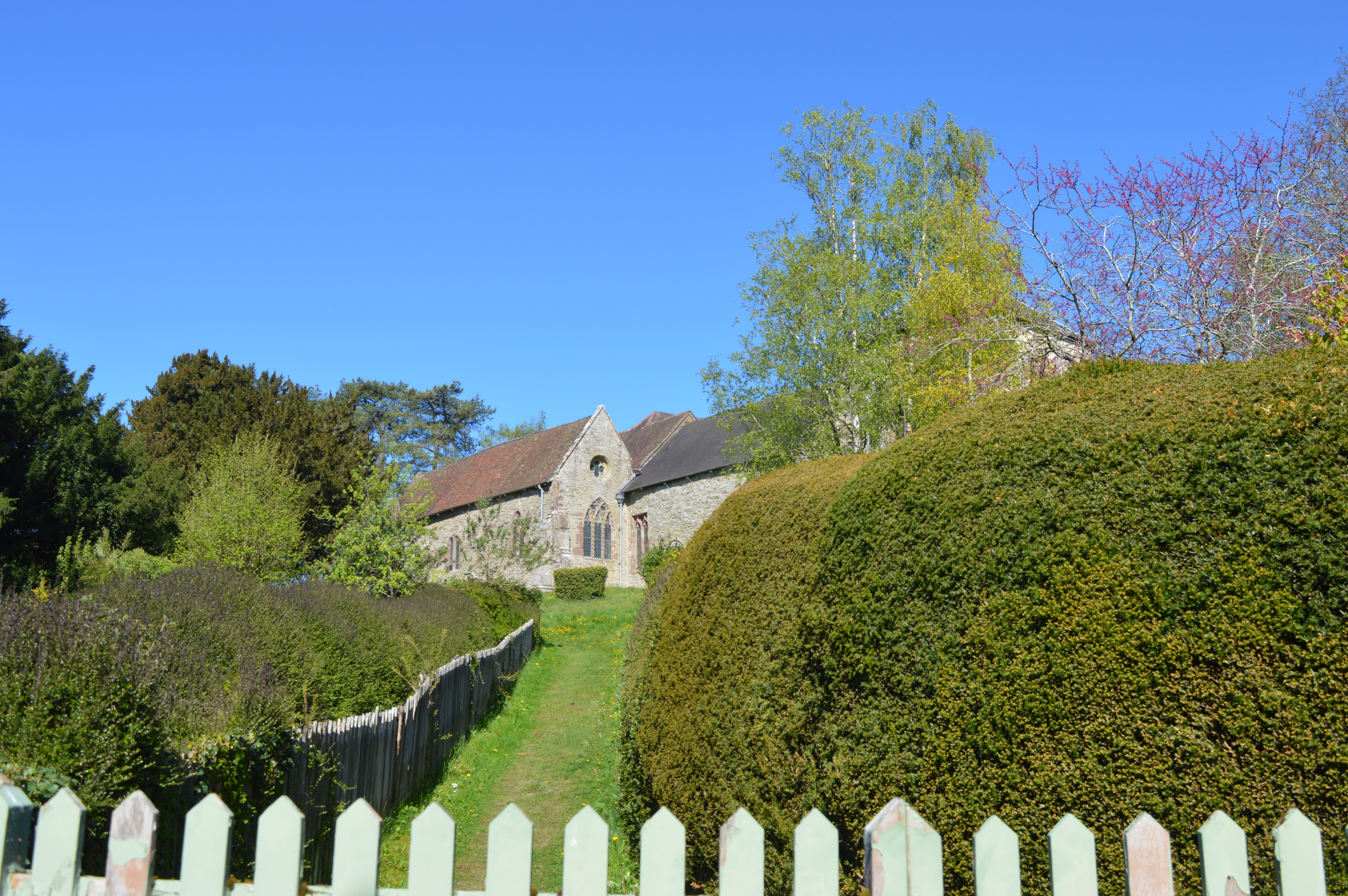
It’s pretty unique. When I read that the church was built shortly after the castle next door, in about 1050, I thought it had to be a misprint. Every child in England knows (or used to know in days before the woke history curriculum) that the Norman period in England began in 1066 with the invasion by Duke William of Normandy. I therefore knew that if the church was Norman, it must be post 1066, so how could it be built in 1050? It turns out that while the local Lord was indeed Norman in origin (i.e. from Normandy), he was a favourite of King Edward the Confessor and was allowed to build his castle and church in 1050. While most of the church is now of later periods, some parts undoubtedly have 11th century origins.
In England we often think of the Norman invasion of 1066 as an isolated turning point, but in truth it was the result of years of connections between the nobility of England and Normandy. The trigger for the invasion was the death of King Edward and the alleged refusal of the English Lords to acknowledge the agreement allegedly made between Edward and Duke William for him to ascend the throne. So Richards Castle is a tangible bit of evidence of those connections prior to the Conquest of 1066. But most castles and “Norman” churches in England and Wales were built post 1066 so this one is an outlier.
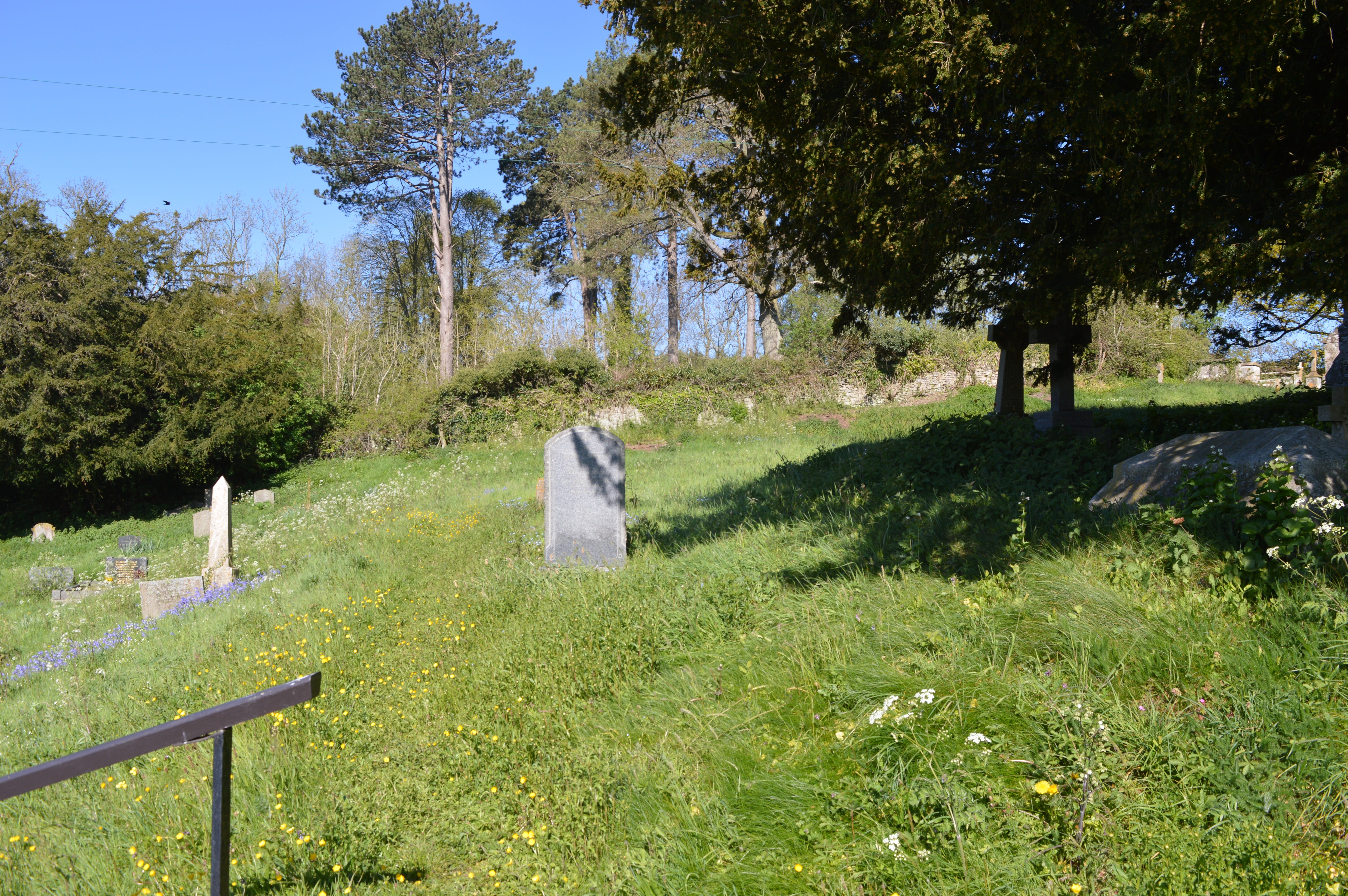
The castle lies next door, but is ruined, with only some external walls remaining, as you can see in the background here. It’s not clear if this site was newly inhabited in 1050 or whether, as was common, the new Norman Lord took over an Anglo-Saxon base, which already had a church and castle.
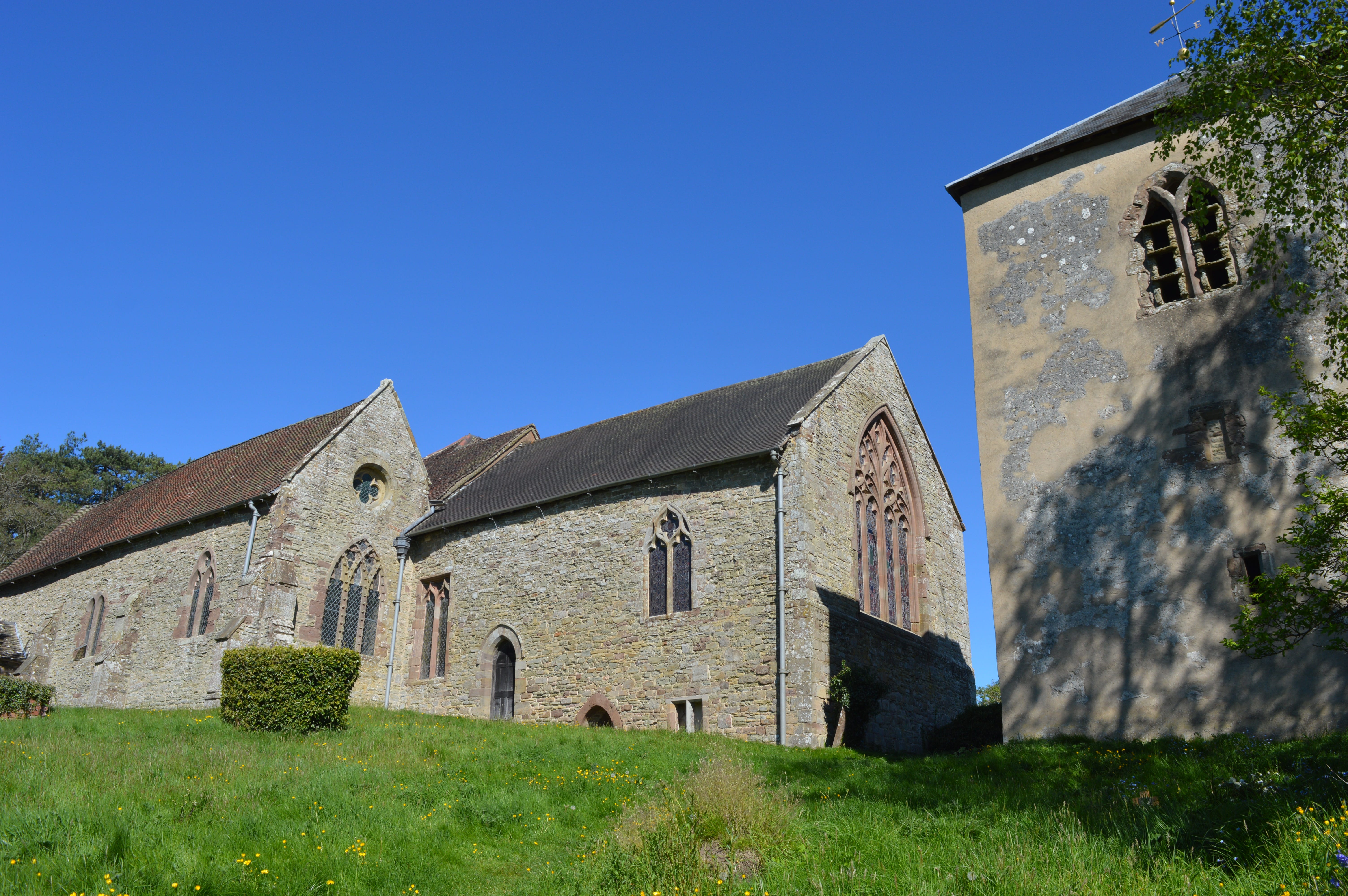
As is usual for old English churches, it has been extended over the years, but it also has a separate bell turret from about 1300 which you can see on the right here. These bell turrets turned out to be very much a thing in Herefordshire. Why is a bit of a mystery but I will do a post on them in due course.
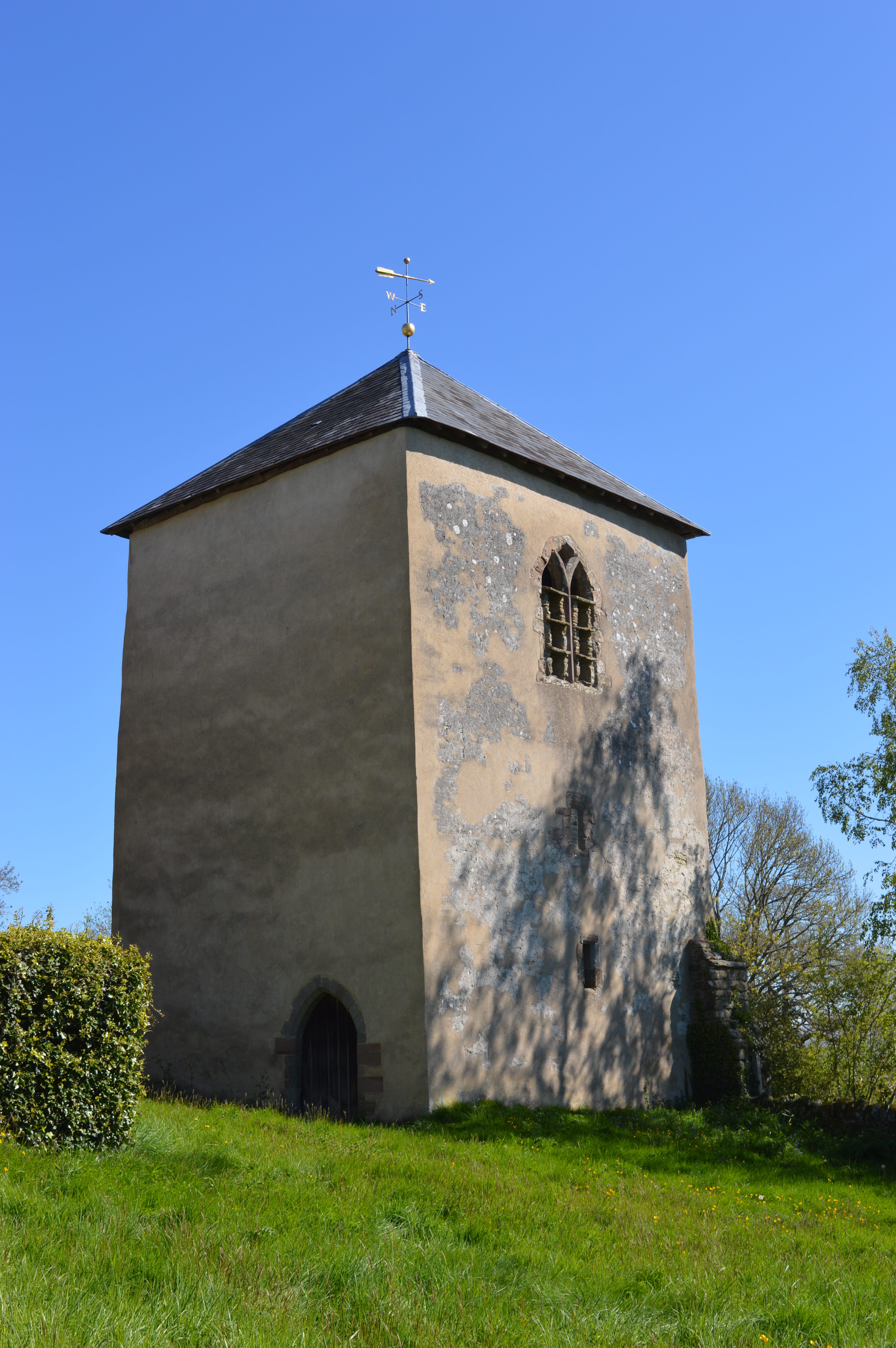
The turret was not open but it is a very substantial building. As an aside, the giveaway for it being built around 1300 is the window - called “Y” tracery because of the shape.
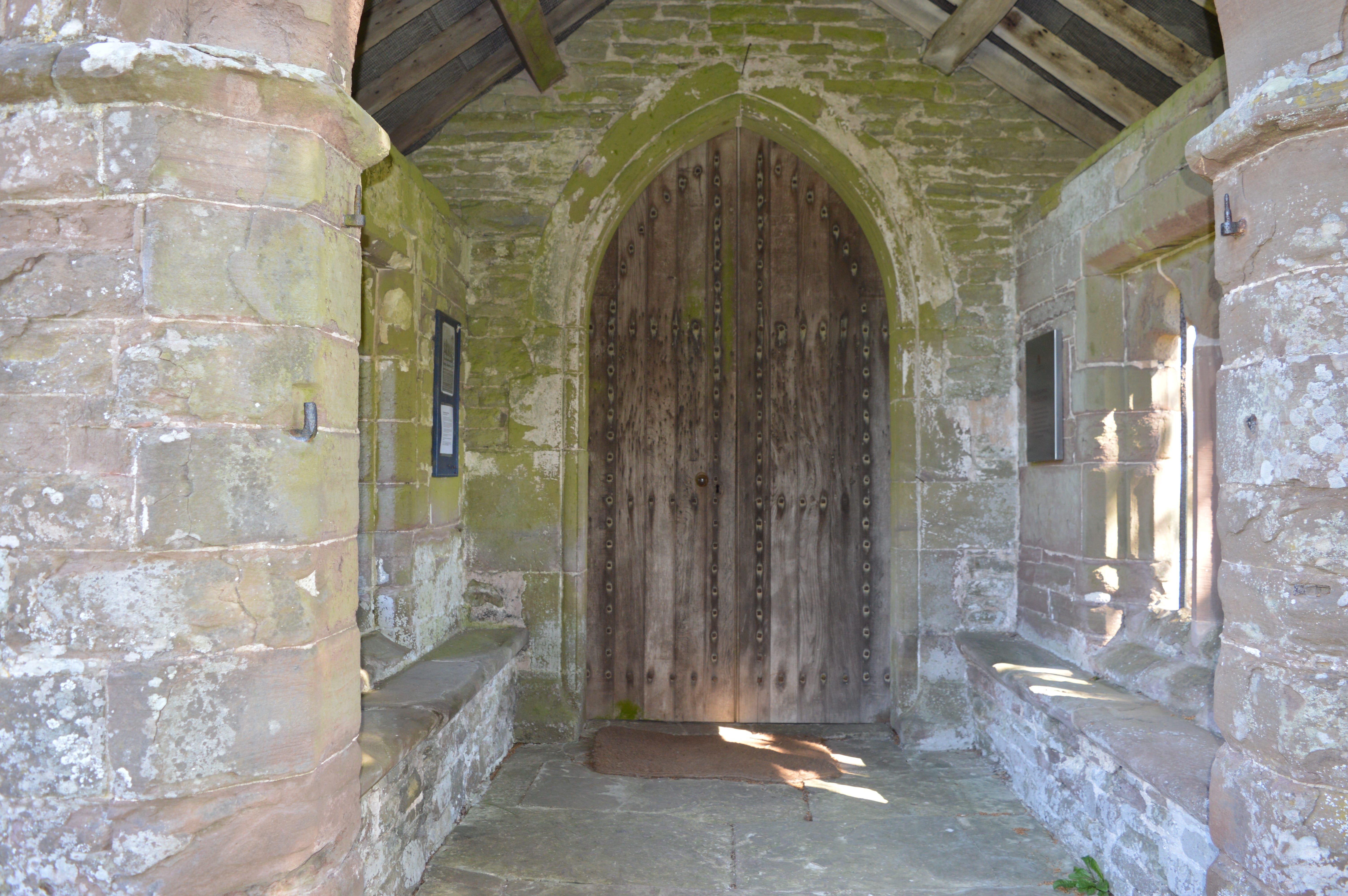
A 15th century porch is attached to the south side; in the porch the first parts of the baptism and marriage ceremonies were traditionally held.
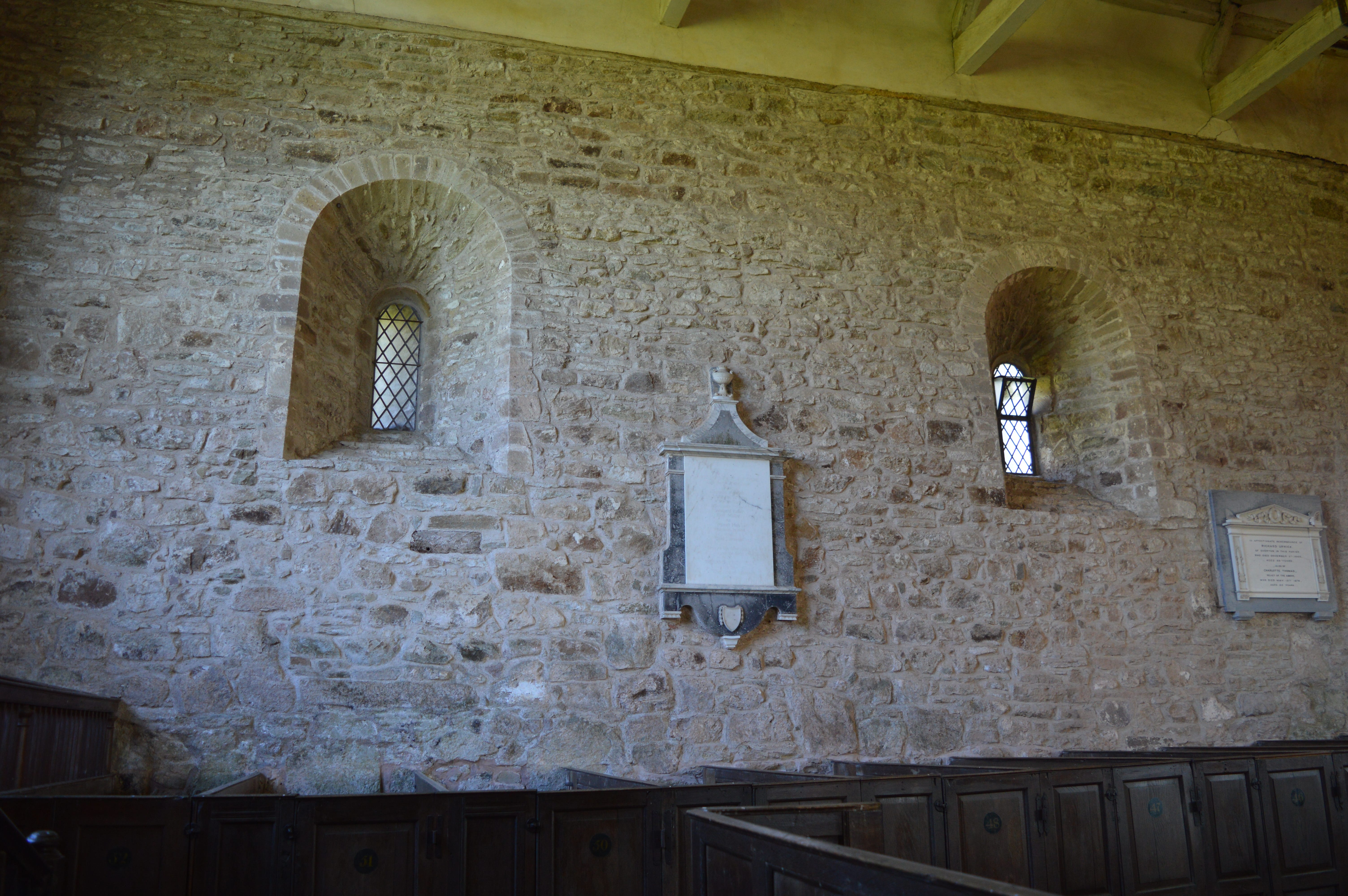
The oldest stonework in the church faces you as you come in. This wall is most likely 11th century; the windows look Norman on the inside by their shape but their proportions are a bit Anglo-Saxon; too squat for 12th century windows but not squat enough for Anglo-Saxon. So a bit of transition here in this wall.
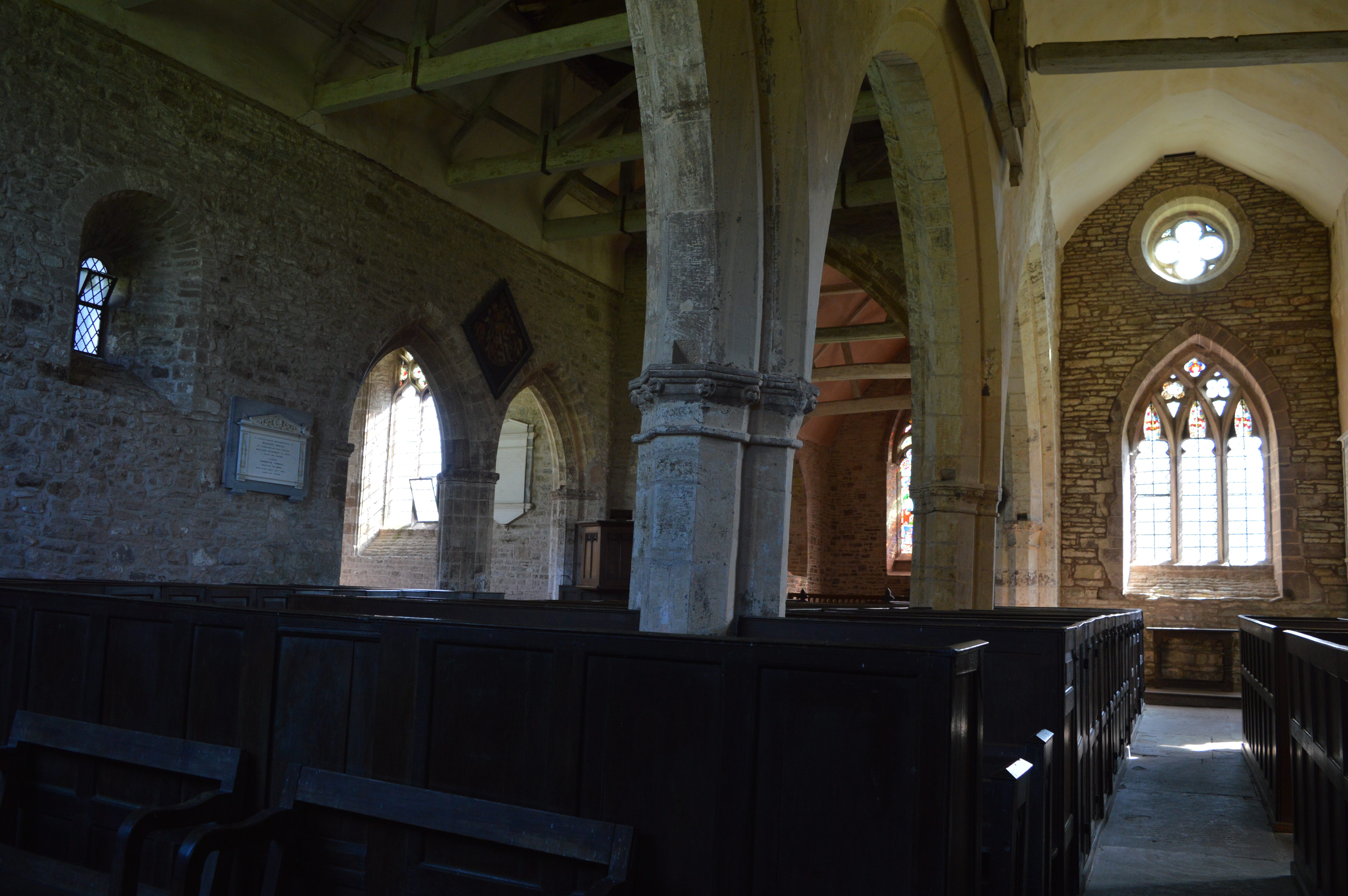
This is one of those churches which causes a deep intake of breath and a “wow”. It’s hard to explain why I react like this to some interiors. It’s partly a combination of the elegant structure and the light, but also a stillness, a sense of the sacred which this place has but not all ancient churches possess. And if you’re wondering, those pillars do lean a bit.
In the rest of this post we look at some key features of the church; the holy water stoup, medieval stained glass and I try to recreate the decorative scheme of the medieval church.
