
A Saintly Monument

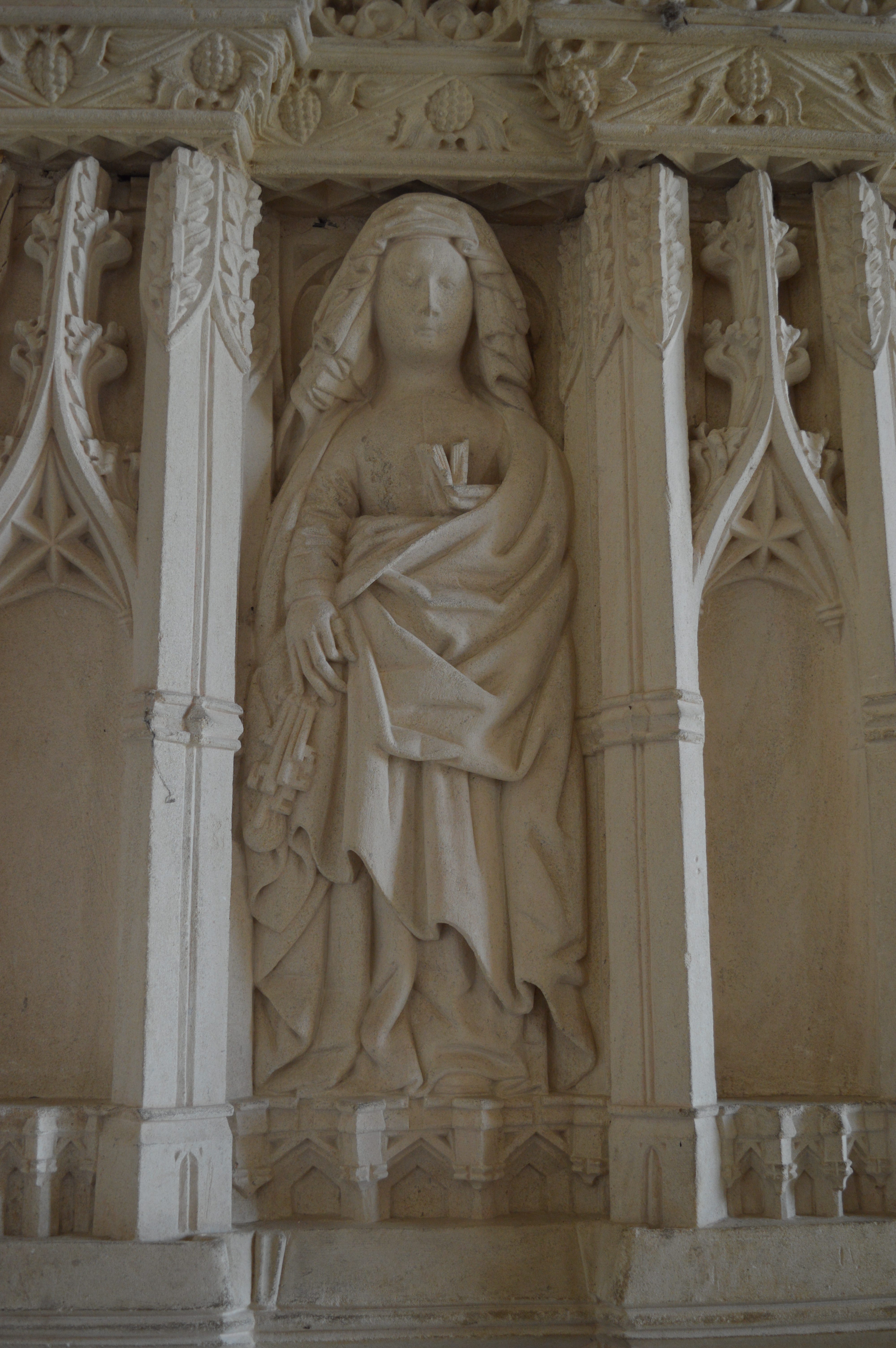
I see a lot of monuments to the dead in my church visits. Most are post-Reformation; the 17th and 18th centuries were a time when men’s egos took command of the churches, but in truth, monuments to the dead within our churches began much earlier, albeit in lower numbers.
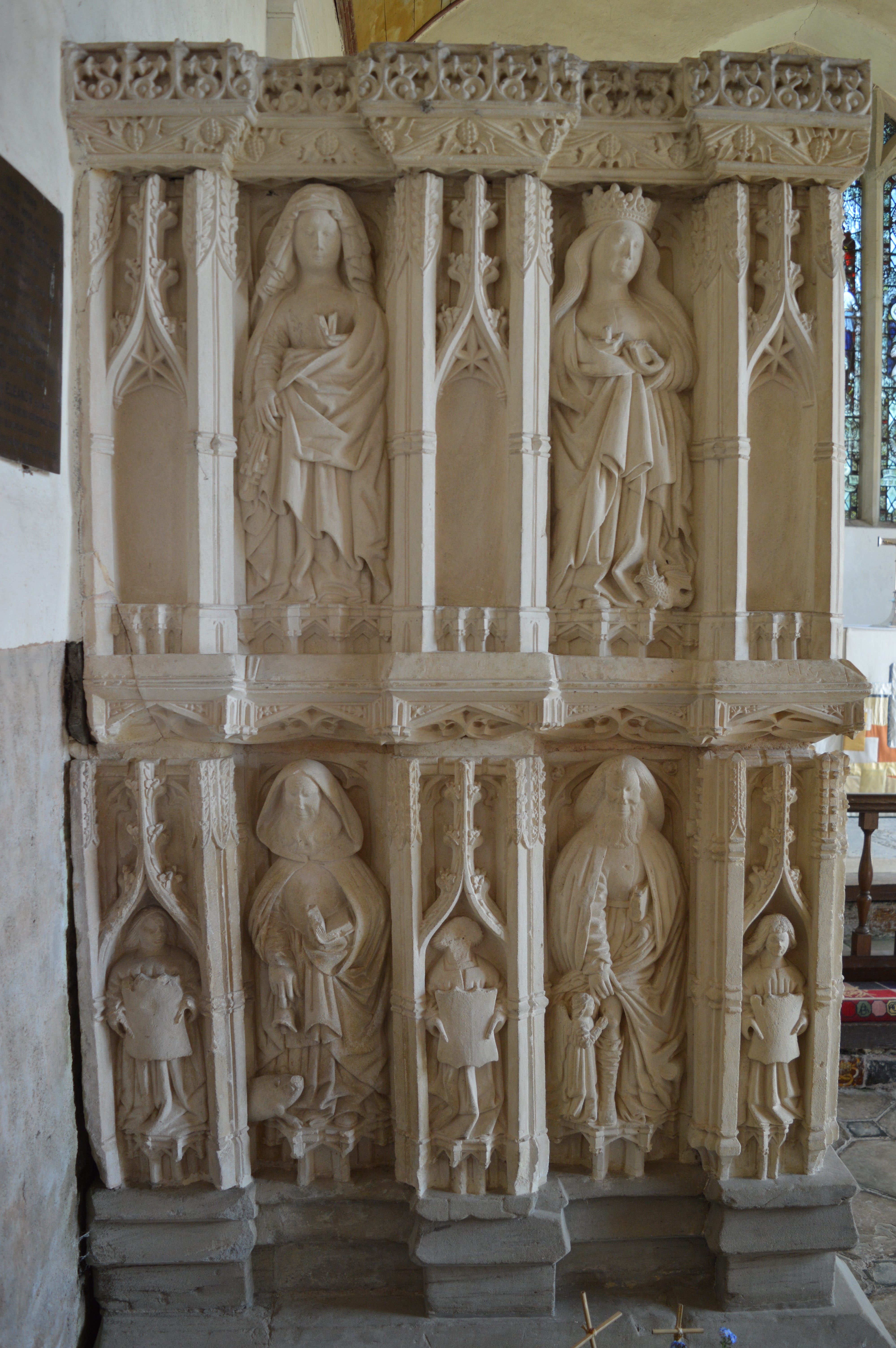
The difference between those earlier tombs and the post-Reformation ones is the presence of saints and that is what we are going to see in this post. Plus, I have carried out a bit of detective work about the way this tomb is presented now, compared to what it may have looked like in medieval times.
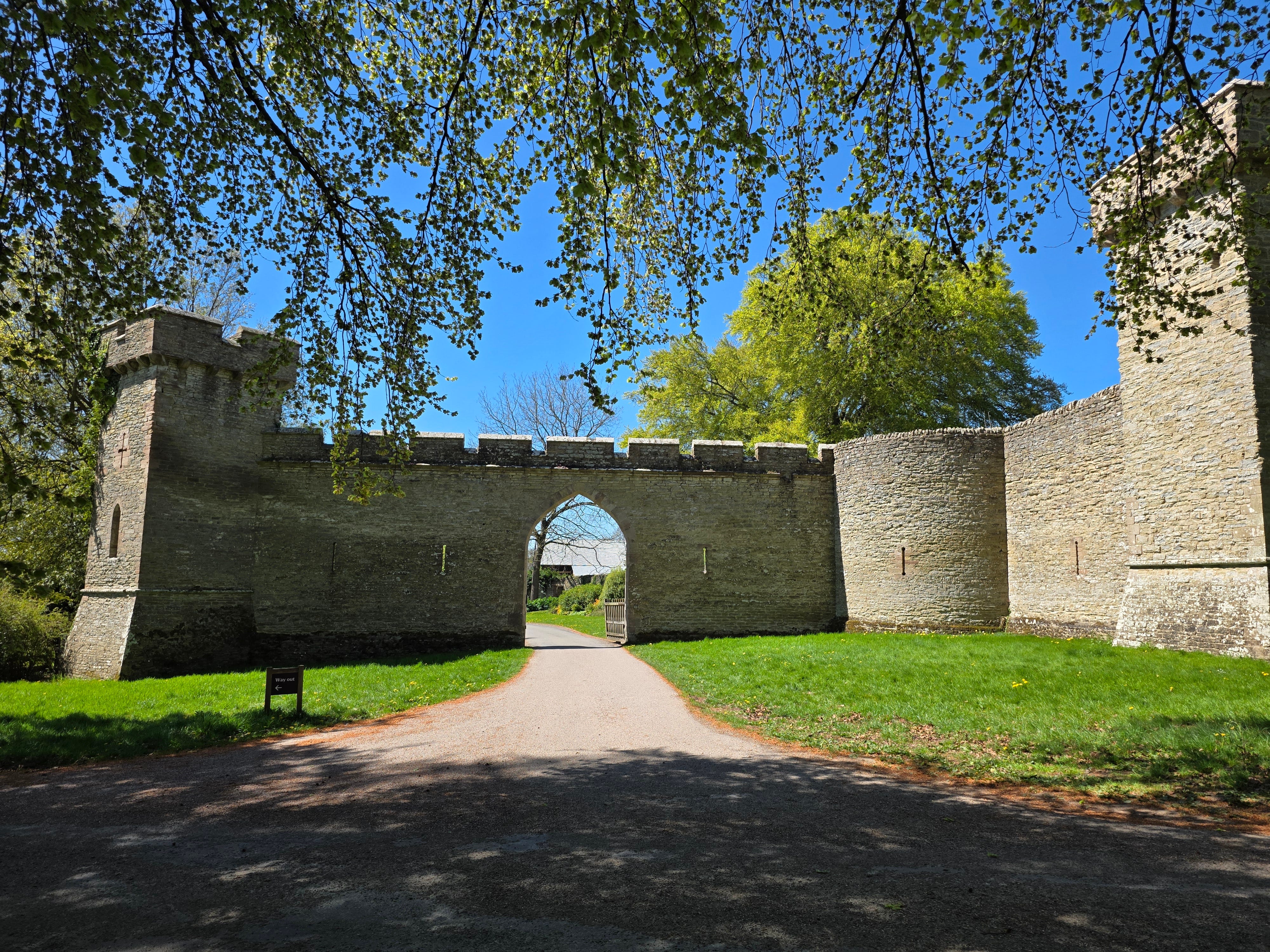
This tomb is at Croft, in Herefordshire, which is a chapel belonging to Croft Castle, whose (rather reconstructed) walls you pass through on the way to the house and chapel.
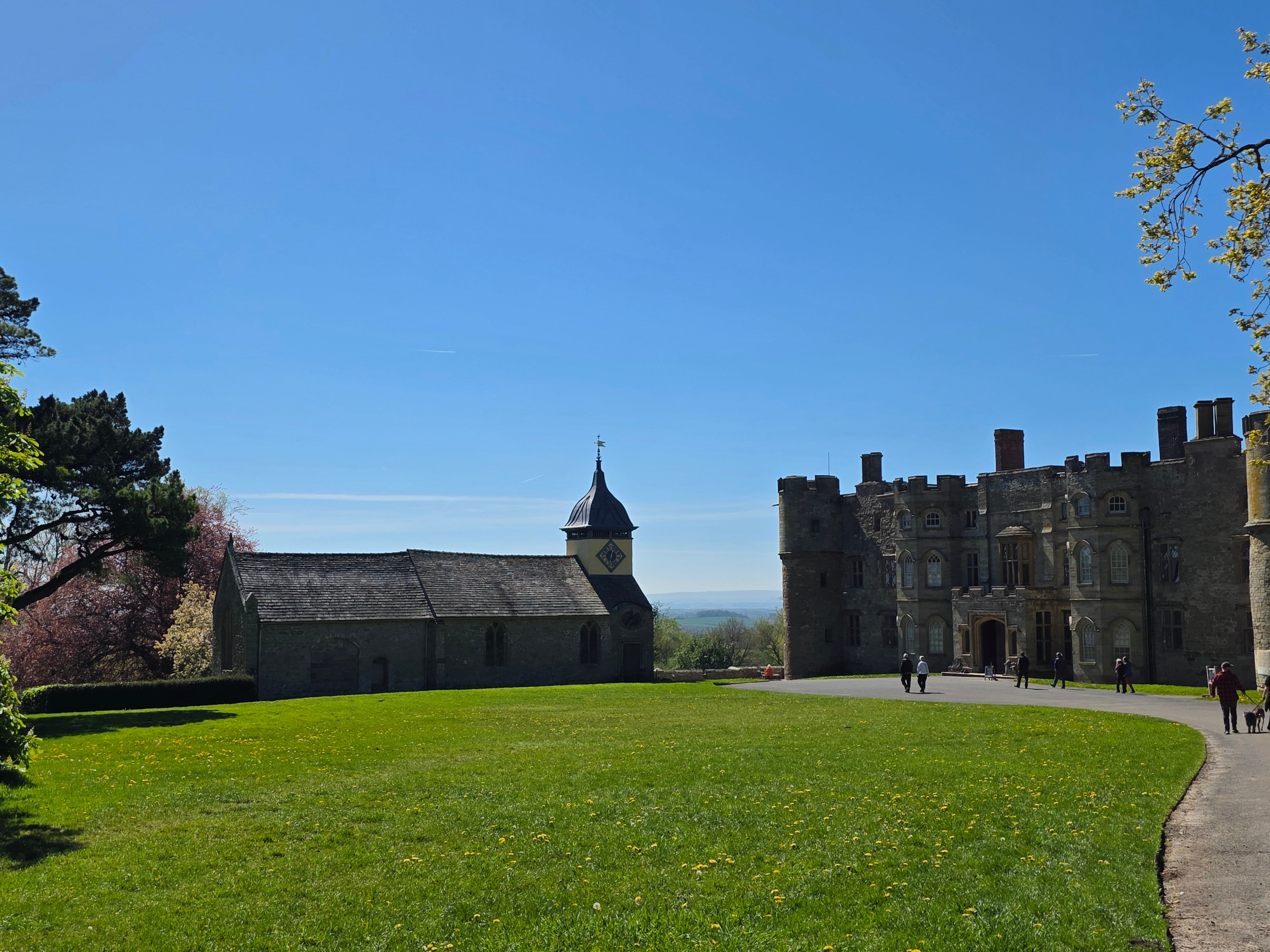
I have to say the tower of the church is rather spectacular and most unusual; 17th century so much later than the chapel, which is from the 14th century in origin, though amended later.
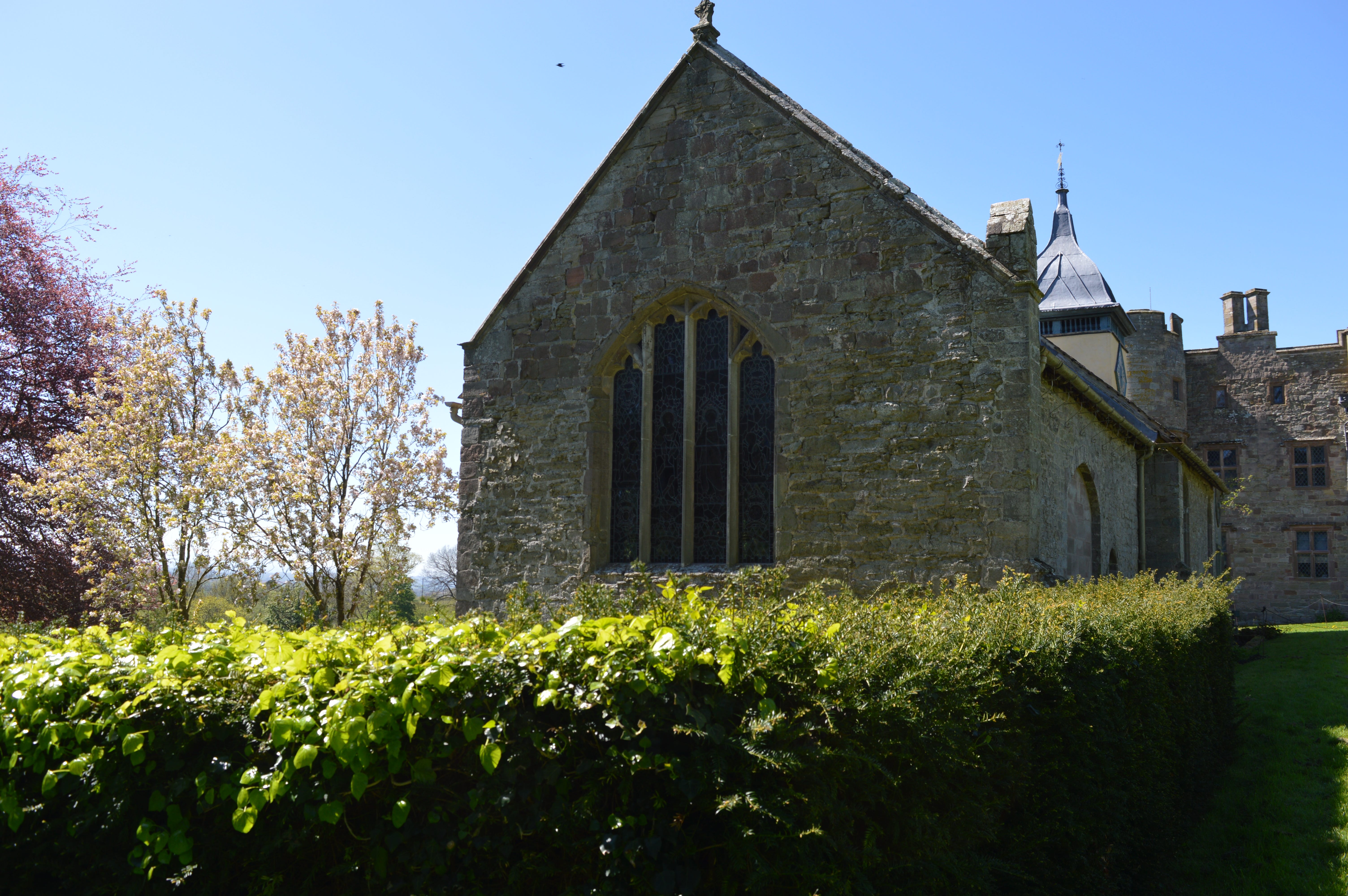
On the right here you can just see a blocked up arch which led to a chapel on this side, now demolished.
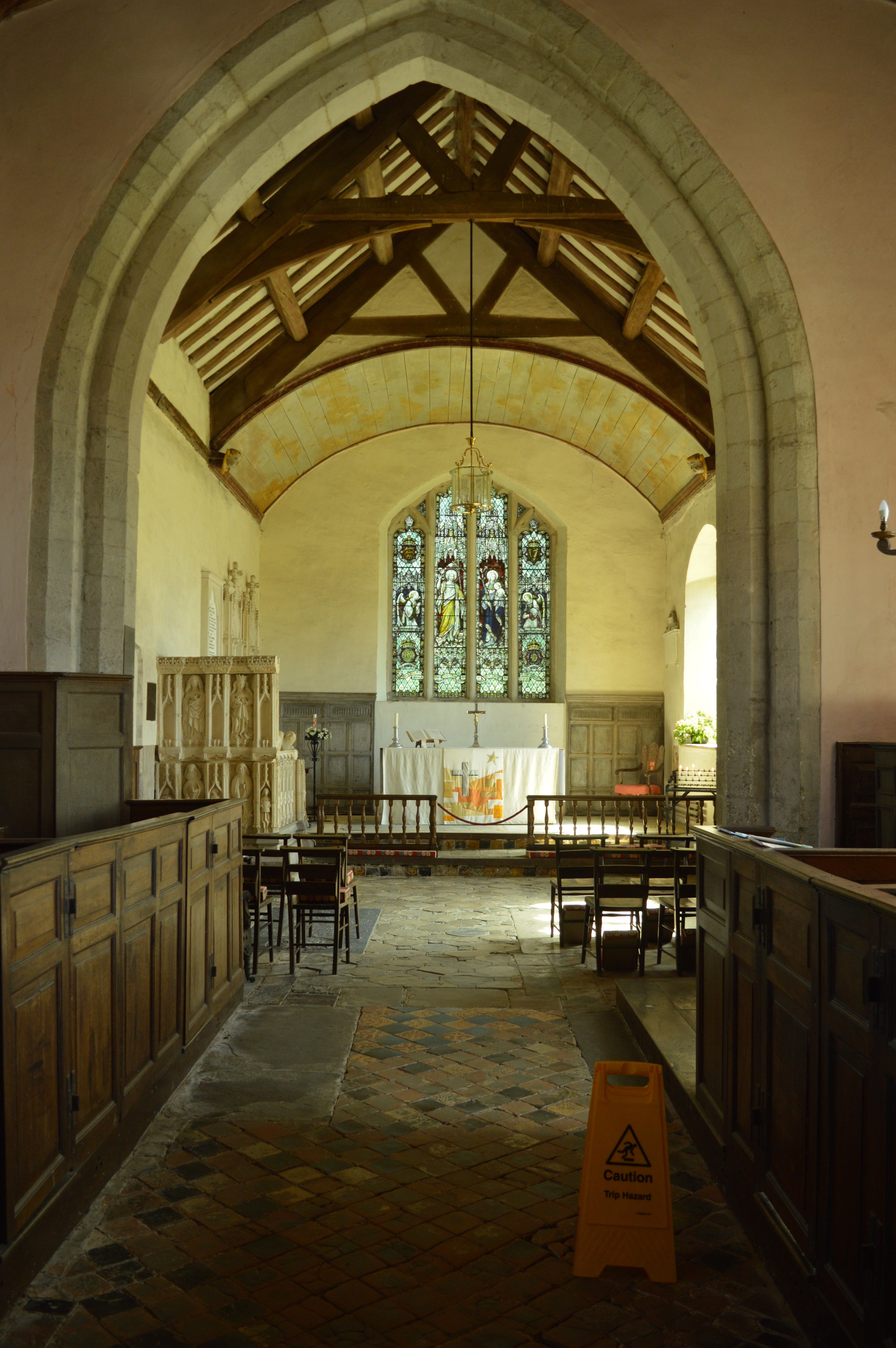
It’s quite small, but the chancel is dominated by the tomb on the left. It belongs to Sir Richard Croft and his wife Eleanor; he died in 1509, she in 1520, so this tomb is a last flowering of the Catholic tomb art before the Reformation.
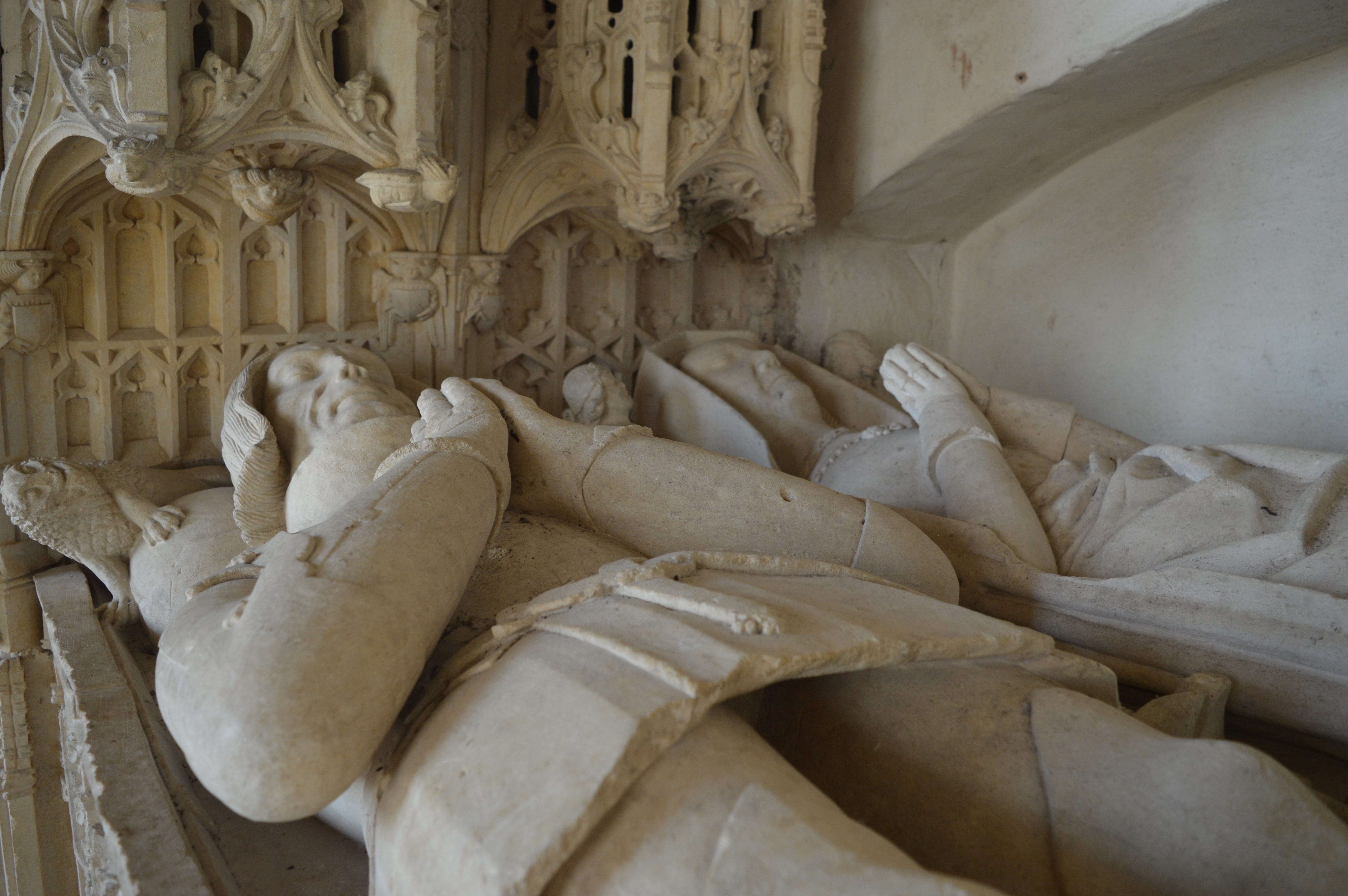
Due to the furniture and restrictions of the space, it’s impossible to get a full-length picture of the top of the tomb from the feet. They are lying, hands piously posed, as on a bed with a canopy-style headboard at the top. It looks a bit cramped and the canopy is odd - I have never seen that kind of thing on a tomb.
